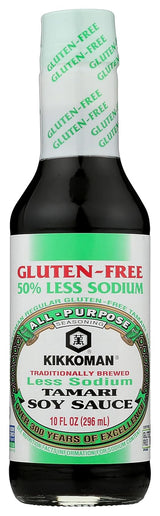
Kikkoman Tamari Gluten Free Soy Sauce – Minimalist Pantry Bottle for Clutter-Free Asian Cooking
Kikkoman Tamari Gluten Free Soy Sauce – Minimalist Pantry Bottle for Clutter-Free Asian Cooking
Couldn't load pickup availability
Why you'll love it
- Trusted Kikkoman brand heritage for consistent, authentic soy sauce flavor
- Gluten-free formula lets celiac and sensitive households skip the substitution guesswork
- Tamari style delivers a richer, smoother umami than regular soy sauce for the same price tier
- Compact 10 oz bottle fits standard refrigerator doors and small pantries without waste
- Versatile single-ingredient seasoning that replaces multiple sauces (dipping, marinade, finishing)
- Made in USA under familiar quality controls, reassuring for shoppers wary of imported allergens
Perfect for
- Dipping sauce for sushi, sashimi, and dumplings at the dining table
- Seasoning stir-fries, fried rice, and ramen during weeknight cooking
- Marinade for tofu, meat, fish, and roasted vegetables
- Umami booster in homemade salad dressings, sauces, and soups
- Safe soy sauce substitute in shared meals for guests with gluten restrictions
Product Information
Product Type:Grocery Item Package Dimension:8.89 cm L X20.573 cm W X4.064 cm H Item Package Weight:1.23 lbs Country Of Origin: United States
Product Dimensions : 2.31 x 2.31 x 7.91 inches; 10.08 ounces UPC : 041390000645 Manufacturer : Kikkoman Units : 10 Fluid Ounces Best Sellers Rank: #30,769 in Grocery & Gourmet Food Ingredients Kikkoman Sauce Tamari Gluten Free, 10 oz Legal Disclaimer Statements regarding dietary supplements have not been evaluated by the FDA and are not intended to diagnose, treat, cure, or prevent any disease or health condition. Flavor Soy Sauce Package Information Bottle Item Weight 10.08 ounces Allergen Information Gluten Free
Frequently Asked Questions
Will one bottle of this really replace several sauces in my minimalist kitchen?
Yes. Kikkoman Gluten Free Tamari works as a dip, marinade, stir-fry seasoning, soup base, and finishing sauce, so it can stand in for separate soy sauce, teriyaki, and seasoning bottles in a streamlined pantry.
Does the small 10 oz size fit a minimalist or small-space kitchen?
Yes. The slim bottle fits standard refrigerator doors and narrow pantry shelves, so it integrates easily into compact apartments, small kitchens, and capsule pantries without taking up valuable real estate.
Is the bottle design simple enough for a clean, uncluttered countertop?
Yes. The label is restrained and the bottle silhouette is straightforward, so it can live on an open shelf or in a fridge door without disrupting a minimalist aesthetic.
Can I use this as my single seasoning for Asian cooking without cluttering my pantry?
Absolutely. It covers dipping, stir-fry, ramen, fried rice, marinades, and salad dressings, which lets you skip the typical lineup of soy, oyster, fish, and teriyaki sauces on the shelf.
Does the ingredient list support a minimalist, clean-label approach?
Yes. It is brewed from a short list of recognizable ingredients and carries a clear gluten-free certification, so it fits a 'fewer, better ingredients' philosophy of cooking and stocking the kitchen.
How does this compare to buying a giant economy bottle of soy sauce?
A larger bottle is cheaper per ounce but encourages waste and clutter, while this 10 oz tamari is sized to be used up while still fresh and to fit neatly into a small, intentional pantry or refrigerator door.
How does this compare to a typical Asian-sauce gift set with multiple bottles?
A multi-bottle set is useful for advanced cooks, but a minimalist kitchen benefits more from a single high-quality tamari that handles most jobs, reducing visual clutter and decision fatigue at the stove.
Is it OK to store this in a small fridge door with my other minimal condiments?
Yes. The 10 oz bottle is designed to fit standard refrigerator door shelves and sits comfortably alongside items like miso, sesame oil, and mustard without crowding.
Will one bottle really last long enough to feel low-maintenance?
For one to two people cooking a few Asian-inspired meals a week, a 10 oz bottle typically lasts one to two weeks, which means steady use without constant reordering or backup bottles taking up shelf space.
Does the label add visual clutter to a neutral kitchen?
The label is clean and primarily neutral in tone, and the bottle is small enough that most people either keep it in the fridge or store it in a pantry bin, so it does not disrupt a calm, neutral design.
Is a single 10 oz bottle enough if I cook for a family?
For a family of three to four, you may go through a bottle weekly during stir-fry nights, so a minimalist approach would be to keep one on hand and reorder as needed rather than stocking multiples on the shelf.
Can I pour it into a smaller dispenser to keep my fridge looking uniform?
Yes. Many minimalist home cooks decant it into a slim glass or ceramic dispenser while keeping the original bottle for the brand and certification information they need for dietary safety.
Will this tamari feel like a compromise because it is not a traditional artisan bottle?
Not at all. Kikkoman is a heritage brand known for consistent quality, and the gluten-free certification adds value that many artisan imported soy sauces do not offer, so it actually fits a 'fewer, better things' approach well.
Does it go bad quickly if I only use it occasionally?
No. Tamari is shelf-stable before opening and keeps well in the refrigerator for many months after opening, so it will not spoil simply because you use it slowly as part of a minimalist routine.
Is the packaging recyclable after I finish the bottle?
The glass-style bottle and cap are widely accepted in curbside recycling programs, which aligns well with a minimalist approach that values end-of-life sustainability as much as daily aesthetics.
Is it worth buying if I only cook Asian food a few times a month?
Yes. The bottle is small, the flavor is versatile enough to use in non-Asian recipes like salad dressings and roasted vegetables, and it will sit on the shelf patiently between uses, which suits a low-volume, intentional kitchen.
How do I use Kikkoman Gluten Free Tamari in everyday cooking?
Use it as a direct substitute for regular soy sauce in stir-fries, fried rice, ramen, marinades for tofu, chicken, fish, or vegetables, dipping sauce for sushi and dumplings, and as a finishing splash on soups and grain bowls. A typical starting point is one tablespoon per serving, adjusted to taste.
Does this tamari need to be refrigerated after opening?
Kikkoman recommends refrigerating after opening to preserve the freshest flavor and color, especially in warm kitchens, though the bottle is shelf-stable until opened. The standard pour cap makes it easy to store in a refrigerator door.
How much sauce comes in the bottle and how long does it last once opened?
The bottle contains 10 fl oz (10.08 oz). For a household that uses it a few times per week, a bottle typically lasts one to two weeks. Once opened and refrigerated, it stays good for many months.
Is this tamari safe to serve to guests with celiac disease or gluten sensitivity?
Yes. Kikkoman Gluten Free Tamari is certified gluten-free, brewed without wheat, and labeled for clear allergen identification, making it a safe option for shared meals with celiac or gluten-sensitive guests.
Is this product compatible with vegan, vegetarian, and paleo-friendly diets?
It is fully compatible with vegan and vegetarian diets because it is made from soybeans only. It is not strict paleo, since it is a fermented soy product, but it works well for plant-based and gluten-free eaters.
What is actually in the box when I order it?
You receive one 10 fl oz (10.08 oz) bottle of Kikkoman Gluten Free Tamari Soy Sauce with a standard pour cap. Nothing else is required to use the product, though a small dish or brush is helpful for sushi dipping.
Is Kikkoman Gluten Free Tamari safe to consume past the printed best-by date?
It is usually fine for some time past the printed date if the bottle has been unopened or properly refrigerated after opening, with no off smells, cloudiness, or color change. When in doubt, replace the bottle, since tamari is inexpensive and widely available.
Does the bottle have a tamper-evident seal I should check before using?
Yes. The cap is factory sealed. If the seal is broken or missing on arrival, contact the retailer for a replacement rather than consuming the product.
What is the difference between tamari and regular soy sauce?
Regular soy sauce is brewed from soybeans and wheat, while tamari is traditionally brewed from soybeans only, giving it a smoother, slightly thicker, and richer umami flavor. Tamari is the standard choice for gluten-free cooking and for dishes where you want a less sharp soy note.